




Before signing a contract, you should ask targeted questions to understand a home builder’s experience, communication style, and process. Building a custom home involves significant financial and emotional investment, and the right builder can make all the difference in turning plans into reality.
Asking the right questions early helps you gauge credibility, confirm quality standards, and establish clear expectations around timelines and budgets. A thorough conversation with your prospective home builder can uncover potential issues, build trust, and ensure both parties are aligned before construction begins.
Questions to Ask a Prospective Home Builder
Before choosing a home builder, take the time to ask the right questions. The list below covers key areas, including experience, reputation, process, costs, customization options, and community involvement, to help you compare builders and find the right fit for your new home.
General Questions
Are they a licensed and insured residential builder?
Every reputable home builder should be appropriately licensed and insured. In Alberta, all residential builders must hold a valid New Home Buyer Protection System (NHBPS) registration and appear in the Government of Alberta’s Builder Registry. This confirms they meet provincial standards for warranty coverage, financial stability, and construction quality.
For example, Shane Homes has a registered New Home Buyer Protection System (NHBPS) number, appears in the Alberta Builder Registry as a licensed residential builder, and carries Alberta New Home Warranty coverage.
If you’re wondering how to check a Calgary home builder’s license and insurance, the process is simple. Visit the Alberta Builder Registry to search by company name or license number and verify the builder’s active status. Request proof of general liability and workers’ compensation insurance to confirm that coverage is current and suitable for the project’s size. Taking these steps ensures the builder is legitimate, compliant, and adequately protected.
How long is their warranty, and what does it cover?
This question helps you understand how long the builder stands behind their work and what types of defects or repairs are covered under their warranty. A clear warranty shows confidence in craftsmanship and protects the homeowner from unexpected costs after move-in.
In Alberta, every new home must include warranty coverage under the New Home Buyer Protection Act. The standard warranty covers one year for labour and materials, two years for delivery and distribution systems (such as plumbing and electrical), five years for the building envelope, and ten years for structural components.
Some builders also choose to provide warranty or service coverage that goes beyond the provincial minimums. These added benefits may include extended service periods, enhanced customer care programs, or additional quality assurances. For example, Shane Homes offers an extra two years of building envelope coverage, extending the total coverage from the standard five years to seven years.
Can a lawyer review the contract before I sign it?
The answer to this question should always be yes. A trustworthy builder will never discourage buyers from seeking legal advice.
Understanding new home builder contracts in Alberta is essential to avoid hidden fees, vague terms, or unfair clauses. Having a lawyer review the agreement ensures both parties fully understand their rights, responsibilities, and what’s included in the build.
Reputation Questions
How many houses do they build per year?
This question helps gauge the builder’s capacity and experience. A company building too few homes may lack consistent workflows. Understanding a home builder’s annual volume provides insight into how organized, established, and attentive the builder is likely to be.
What makes them different from other builders in the area?
This question helps you understand the builder’s unique strengths, values, and approach. Whether it’s superior craftsmanship, transparent communication, or energy-efficient designs, the answer reveals what sets the company apart and whether its priorities align with your goals.
What percentage of homes are completed within the original timeline?
This question highlights the builder’s reliability and project management skills. Consistently meeting deadlines shows strong organization and communication, while frequent delays may signal scheduling issues or poor planning. A transparent builder should be able to provide a credible and honest track record.
Process Questions
On average, how long does their homebuilding process take?
Knowing the average build time helps you plan finances, temporary housing, and move-in dates. It also provides insight into how organized and experienced the builder is in managing timelines, trades, and approvals from start to finish.
Who will be your main point of contact?
Clear communication is key during a home build. Knowing who the primary contact is helps you understand how updates, questions, and decisions will be handled. A dedicated area manager (salesperson) or site supervisor ensures that communication is organized and prevents misunderstandings throughout the process.
How do they handle questions throughout the process?
This question demonstrates the builder’s responsiveness and transparency. Regular updates and open communication foster trust, while vague or delayed responses can lead to frustration. A reliable builder should have a clear system for addressing questions quickly and keeping buyers informed at every stage.
How often do they provide updates/check-ins?
Consistent updates enable you to remain confident and informed as the build progresses. Asking this question helps clarify how frequently the builder communicates and through what channels, whether it’s weekly site meetings, email reports, or scheduled calls. Regular check-ins demonstrate accountability and help prevent minor issues from escalating into major problems.
How do they manage supply chain issues?
Delays and material shortages can occur in any construction project. This question helps you understand how the builder plans, sources materials, and communicates when problems arise. A proactive builder will have backup suppliers and clear contingency plans to keep the project on track.
How do they handle design changes during construction?
It is important to understand how the builder manages changes once construction has begun. A transparent builder will outline a clear process for approving and documenting any revisions, along with potential costs or timeline impacts. Smaller changes, such as specific finish selections or minor design details, may still be possible later on. In contrast, larger modifications, such as moving walls or altering structural elements, become difficult or even impossible once the building is underway.
What is their procedure for warranty work?
Warranty service reveals how a builder supports homeowners after possession. Asking about the builder’s process, including how to submit a claim, expected response times, and who handles repairs, helps reveal their commitment to long-term customer care. A clear, organized system signals accountability and professionalism.
Do they welcome realtor participation?
Some builders prefer direct sales, while others actively partner with real estate professionals. Asking this question helps you understand how the builder handles agent involvement and commissions.
Shane Homes, for example, offers a Realtor Participation Program, which demonstrates a commitment to collaborating with trusted agents and supporting those who choose to work with a realtor.
Customization Questions
What customizations are included?
This question helps you understand the level of flexibility you have in designing your home. Most builders offer a selection of included finishes and design options at no extra cost, along with premium upgrades or additional customizations for an added fee. Clarifying what’s included upfront helps you avoid unexpected expenses and ensures the final design aligns with your vision and budget. Using a tool like Shane Homes Build & Price can help you easily explore the custom options available to you in a new home build.
Do you have the flexibility to move walls?
Structural changes can significantly impact both layout and cost, so it’s essential to understand how flexible the builder is with modifications. Some builders limit customization to finishes, while others, such as Shane Homes via the Love It or Customize It program, allow you to adjust layouts, including moving walls, to create a home that truly suits your lifestyle, depending on the home style you choose.
Cost Questions
What finishes in the showhome cost extra?
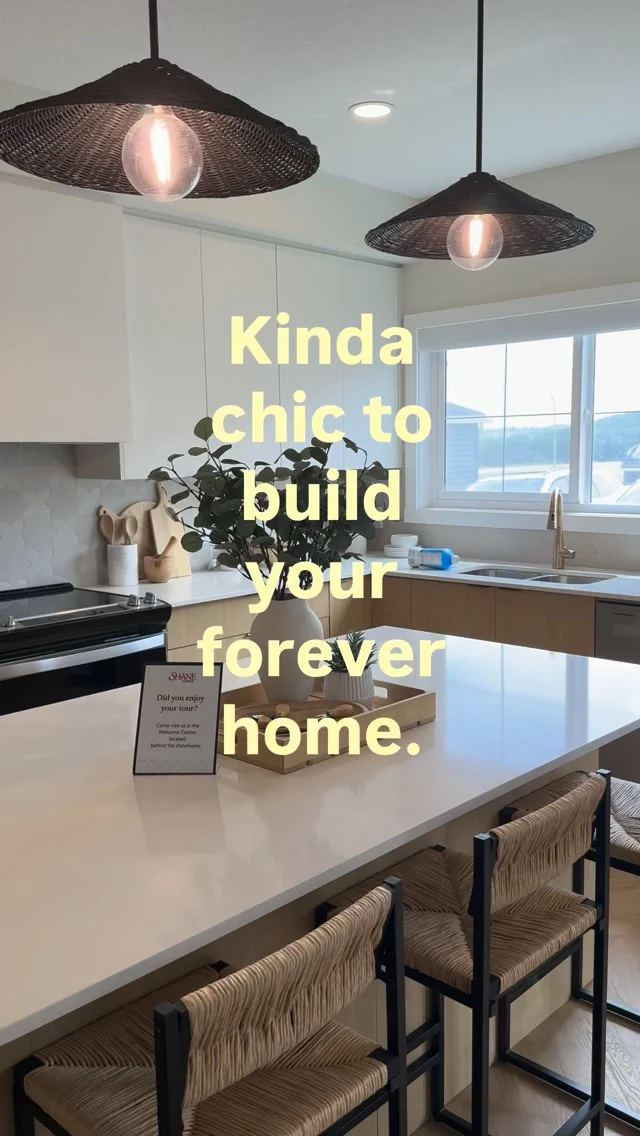
Showhomes often showcase premium upgrades that aren’t included in the base price. Asking this question helps you distinguish between standard features and optional extras, avoid unexpected costs, and establish a more accurate budget for your new home.
Do the upgrades you want cost extra? If so, how much?
Upgrades can quickly increase the total price of a new home. Clarifying which features come standard and which require an additional cost helps you stay within budget and prioritize what matters most. A transparent builder should provide a detailed price list for all available upgrades.
Are there additional costs you should expect and budget for?
Beyond the base price, buyers may face extra costs for landscaping and lot premiums. Asking this question helps clarify the complete financial picture upfront and prevents unexpected expenses later in the build.
Do they offer any incentives?
Some builders offer incentives such as appliance packages, upgrade credits, or referral programs. Asking about these offers helps you see the full value behind a builder’s pricing. For instance, Shane Homes offers a referral program that rewards homeowners for recommending friends or family, demonstrating a commitment to customer appreciation that extends beyond the initial sale.
Community Questions
Is there an HOA? If so, what is the fee, and what does it cover?
Homeowners’ associations can add value through community maintenance and amenities, but they also come with fees and rules. Asking this question helps you understand monthly costs, coverage details, and any restrictions that may affect how they use their property.
Are there schools in the neighbourhood? If not, are buses available to other schools?
Proximity to schools can be a significant factor for families. This question helps you understand whether there are schools within walking distance or if bus transportation is available to nearby options, ensuring convenience and accessibility for students.
Is the community in or near a floodplain?
Floodplain location affects more than just insurance; it can influence property value, safety, and long-term maintenance costs. You should inquire about the area’s history of flooding and verify whether flood protection measures or special insurance are required before making a purchase.
What are the future development plans for the community?
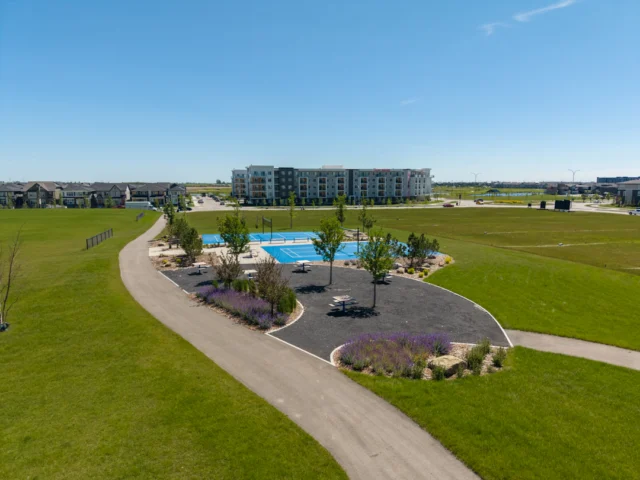
Understanding upcoming developments helps you anticipate how the area may change over time. Planned schools, shopping centres, or transit routes can add convenience and value, while nearby commercial or high-density projects may impact traffic and noise. Some developers, like Shane Homes in the NW Community of Esker Park, will even plan the development of a new community around shared, protected amenities, such as playgrounds and environmental reserves. Asking this question provides a clearer picture of the community’s long-term potential and livability.
7 Red Flags to Watch for When Choosing a Home Builder
- “Too-Good-to-Be-True” Prices
If a builder’s quote is significantly lower than others, it’s worth asking why. Extremely low pricing can signal the use of cheaper materials, hidden fees, or inexperience. A reputable builder provides transparent estimates that balance quality, value, and realistic costs.
- No License or Insurance
A legitimate builder should always be licensed and insured. Without proper credentials, buyers risk legal issues, financial loss, and poor workmanship. Always verify the builder’s license and insurance status through the Alberta Builder Registry before moving forward.
- Poor Google Reviews and Ratings
Online reviews offer quick insight into a builder’s reputation. Consistent negative feedback, low ratings, or unresolved complaints can signal ongoing issues with quality, communication, or customer service. Always read reviews carefully and look for patterns before committing.
- Lack of Community Involvement
Builders who actively support or collaborate within their communities often demonstrate long-term commitment and accountability. A lack of community involvement may suggest a transactional approach rather than one focused on lasting relationships and local trust.
- Constantly Shifting Milestones
Frequent timeline changes can indicate poor planning, supply issues, or communication problems. While some delays are unavoidable, a builder who regularly moves deadlines without clear explanations may struggle with project management or resource coordination.
- No Digital Presence
A reputable builder should have a professional website, active social media profiles, and visible client testimonials or feedback. A limited or outdated online presence can be a warning sign of inexperience, lack of transparency, or a short business history.
- Poor Communication
Clear, timely communication is key to a successful build. If a builder is slow to respond, vague in their answers, or inconsistent in follow-ups before a contract is signed, those habits are likely to continue throughout the project. Reliable builders keep clients informed and address questions directly.
Shane Homes Is Here to Answer All Your Home Building Questions
A new home should come with excitement, not uncertainty. The right builder makes sure every question is answered before construction begins.
Shane Homes understands that every buyer comes with different priorities, whether it’s budget, customization, or peace of mind. The Shane Homes team takes the time to answer every question, explain options, and guide clients through each step of the process. From floor plans and finishes to warranty coverage and move-in details, buyers always know where their project stands.
With decades of experience and a reputation built on integrity, Shane Homes continues to make the building experience personal, straightforward, and rewarding.
Ready to start planning your new home? Contact Shane Homes today to connect with a team member who can answer your questions and help bring your vision to life.